Source dishwashing sodium cocoyl glutamate for cosmetics, detergents, and hair care
Find 30 listings for dishwashing sodium cocoyl glutamate from verified Chinese suppliers. Buyers can compare specifications, packaging options, and pricing for uses in cosmetic raw materials, detergent raw materials, and hair care chemicals.
Key considerations
Products List


Super Degreaser Dish Liquid Lemon
$500.00 - $1000.00
Moq: 13
Hangzhou Miuge Chemical Commodities Science & Technology Co., Ltd.


Comprehensive Sourcing Guide
Strategic Sourcing Guide for Dishwashing Sodium Cocoyl Glutamate
Understanding the Product Profile and Technical Specifications
Sourcing sodium cocoyl glutamate for dishwashing applications requires a precise understanding of its chemical identity and physical properties. This ingredient is an amino acid-based surfactant derived from coconut oil and glutamic acid, known for its mildness and biodegradability. When evaluating potential supply chains, buyers must distinguish between the various grades and forms this chemical may take. The market often presents products with varying physical states, ranging from crystalline solids to liquid formulations.
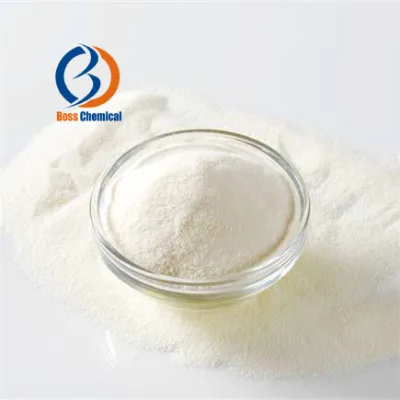
Technical due diligence begins with verifying the appearance and physical state of the material. While some listings describe the substance as white crystals, others may offer it as a colorless liquid. The melting point is a critical specification for solid forms, with specific data points indicating a melting range around 206°C for certain grades. However, for liquid dishwashing formulations, the focus shifts to viscosity and solubility. The purity levels can vary significantly, with some industrial grades offering 30% active content, while others may be marketed as high-purity reagents.
The classification of the raw material is equally important. Sourcing guides must account for the fact that the base material is often corn-derived, which impacts the sustainability profile and allergen considerations. The product is frequently categorized under organic analytical reagents or chemical medicines, but for dishwashing, it functions primarily as a heavy-duty degreaser or a mild surfactant depending on the formulation. Buyers should verify the specific usage claims, such as whether the product is intended for biological purposes, tissue medium preparation, or general industrial cleaning. The distinction between "Technical Grade," "Practical Use," and "Pro Analysis" grades is vital, as the latter may be over-engineered and cost-prohibitive for standard dishwashing applications.
Compliance, Certification, and Regulatory Verification
In the global chemical trade, compliance is not merely a formality but a prerequisite for market access. When sourcing sodium cocoyl glutamate, buyers must rigorously verify the certification status of the supplier. The presence of an MSDS (Material Safety Data Sheet) is a fundamental requirement, ensuring that the chemical's handling, storage, and emergency response protocols are documented. This document is essential for logistics planning and workplace safety compliance in the destination country.
Beyond the MSDS, the origin of the product plays a significant role in regulatory acceptance. Many high-volume suppliers are located in China, a major hub for chemical manufacturing. Buyers should confirm the country of origin explicitly, as this influences shipping costs, tariff implications, and the speed of customs clearance. The standard packaging for bulk shipments is often 200kg drums, though smaller quantities may be available in bags or bottles. The container material, such as HDPE (High-Density Polyethylene), must be verified to ensure compatibility with the chemical to prevent leakage or degradation during transit.
Regulatory verification also extends to the specific standards the product meets. While some listings cite a standard of 98% purity or specific model numbers like "Hony CG-L," these should be treated as observations rather than universal guarantees. Buyers must request batch-specific certificates of analysis (CoA) to confirm that the current shipment meets the claimed standards. The "Standard" designation in product attributes often refers to the packaging or a generic quality tier, which requires clarification. For dishwashing applications, the product must align with local environmental regulations regarding biodegradability and toxicity. The "Organic Analytical Reagents" classification suggests a high level of purity, but for cleaning agents, the "Industrial" or "Technical" grade is often more appropriate and cost-effective.
Cost Drivers and Pricing Structure Analysis
The pricing of sodium cocoyl glutamate is influenced by a complex interplay of raw material costs, processing complexity, and order volume. The observed price range in the market is vast, spanning from $0.20 to $1,200.00 per unit. This extreme variance is not indicative of a single product but rather reflects differences in concentration, packaging, purity, and order quantity. A price at the lower end of this spectrum likely corresponds to bulk industrial grades in large drum quantities, whereas prices at the higher end may reflect specialized formulations, small-batch samples, or high-purity analytical grades.
Minimum Order Quantity (MOQ) is a primary driver of unit cost. The market data indicates an MOQ range from 1 unit up to 30,000 units. Buyers purchasing small quantities, such as single bottles or boxes, will face significantly higher per-unit costs compared to those placing bulk orders. The "1.5KG" or "1L" packaging options are often associated with higher price points due to the overhead of smaller packaging and handling. Conversely, the "200kg/Drum" specification is designed for economies of scale, drastically reducing the cost per kilogram.
Customization is another significant cost factor. Many suppliers offer OEM (Original Equipment Manufacturer) or ODM (Original Design Manufacturer) services, allowing buyers to tailor the product to their specific brand requirements. While this adds value, it typically increases the lead time and the unit price. The "OEM or ODM" model number suggests that the supplier is flexible, but buyers must negotiate the cost implications of custom labeling, specific packaging configurations (e.g., 12PCS/CTN), and tailored formulations. Additionally, the "Active Ingredients" content, such as Alkyl Glucosides or specific surfactant concentrations, directly impacts the price. A product with a 30% purity level will be priced differently than one claiming 98% purity or a specific "Super Special Grade."
Typical Applications and Formulation Compatibility
Sodium cocoyl glutamate is a versatile ingredient with a wide array of applications beyond simple dishwashing. Its primary function in the dishwashing sector is as a surfactant that provides excellent cleaning power while being gentle on hands and surfaces. The product is specifically noted for its effectiveness as a "Heavy-Duty Degreaser," making it suitable for removing tough oils from tableware and cookware. The "Strong Decontamination" and "Strong Oil-Removal" features are key selling points for commercial dishwashing formulations.
However, the product's utility extends into other sectors, which buyers must consider when evaluating supplier capabilities. The "Specific Usage" attributes list applications ranging from biological purposes and tissue medium preparation to microbiological and microscopic uses. This breadth of application suggests that the chemical is highly pure and versatile. For dishwashing, the "Synthetic Grease" effectiveness is a critical performance metric. The cleaning method, often described as "Soaking," implies that the product is effective in immersion scenarios, which is common in commercial dishwashing machines.
The product also finds use in household appliance cleaning and general surface maintenance. The "Natural Fragrance" attribute indicates that the base chemical can be easily blended with scents to create consumer-friendly products. The "Sterilization" feature, while often associated with disinfectants, suggests that the surfactant has properties that aid in microbial reduction, adding value to dishwashing applications where hygiene is paramount. Buyers should verify if the product is suitable for "Electron Microscopy" or "Lens Blooming" if they are exploring niche markets, though these are likely secondary to the core dishwashing application. The "Agriculture," "Industry," "Health," and "Environmental Protection" application tags highlight the chemical's broad relevance, but for dishwashing, the focus remains on the "Household Appliance" and "Tableware & Cookware" segments.
Supplier Evaluation and Quality Control Protocols
Selecting the right supplier requires a multi-faceted evaluation strategy that goes beyond price comparisons. The first step is to verify the supplier's ability to provide consistent quality. The "Quality: Industrial" designation suggests a focus on functional performance rather than laboratory-grade purity, which is appropriate for cleaning agents. Buyers should request samples to test the "Drying Method" and "Appearance" consistency. The transition from "Crystals" to "Liquid" or "Colorless" states must be controlled to ensure batch-to-batch uniformity.
Quality control protocols should include checks on the "Storage" requirements and "Drying Method" to prevent degradation during transit. The "Sample: Support" attribute indicates that suppliers are willing to provide test units, which is a positive sign for due diligence. Buyers should utilize these samples to verify the "Active Ingredients" concentration and the "Cleaning Method" efficacy. The "Contact Time: Immediate Effect" claim should be validated through practical testing to ensure the product performs as advertised in real-world dishwashing scenarios.
Supplier reliability is also measured by their flexibility in "Customization." The availability of "OEM or ODM" services allows buyers to adapt the product to their specific brand needs. However, this flexibility must be balanced with the supplier's ability to maintain strict quality standards. The "Standard" and "Specification" attributes, such as "200kg/drum" or "1kg," should be consistent with the buyer's logistical capabilities. Buyers should also assess the supplier's "Lead Time" and "Location" to ensure timely delivery. While specific lead times are not provided in the source data, the "China" origin suggests potential shipping durations that must be factored into the supply chain planning.
Long-Term Procurement Considerations and Strategic Sourcing
Sourcing sodium cocoyl glutamate is not a one-time transaction but a long-term strategic partnership. Buyers must consider the scalability of their supply chain to accommodate fluctuating demand. The "MOQ range" of 1 to 30,000 units offers flexibility, but buyers should aim to negotiate volume-based pricing tiers to optimize costs over time. The "200kg/Drum" packaging is ideal for large-scale operations, while "Bags" or "Bottles" may be suitable for smaller, specialized markets.
Sustainability is a growing concern in the chemical industry. The "Raw Material: Corn" origin highlights the agricultural basis of the product, which can be a selling point for eco-conscious consumers. Buyers should inquire about the sourcing of the corn and the environmental impact of the production process. The "Organic Analytical Reagents" classification and "Biological Purpose" usage suggest a potential alignment with green chemistry principles, which can be leveraged in marketing.
Finally, buyers must plan for the "Storage" and "Handling" requirements of the product. The "HDPE" container material and "200kg/Drum" specification imply specific storage conditions that must be maintained to preserve product integrity. The "Standard" and "Specification" attributes should be reviewed annually to ensure they remain relevant to the buyer's evolving needs. By maintaining a focus on technical specifications, compliance, and supplier reliability, buyers can secure a stable supply of high-quality sodium cocoyl glutamate for their dishwashing applications.
Comparative Analysis of Product Attributes
To facilitate decision-making, the following table summarizes the key attributes observed in the market for sodium cocoyl glutamate and related chemical products. This comparison highlights the diversity of specifications and helps buyers identify the most suitable options for their specific needs.
| Attribute Category | Observation A | Observation B | Observation C | Observation D |
|---|---|---|---|---|
| Product Model | Hony CG-L | Sodium Gluconate | 68187-32-6 | DW-003 |
| Appearance | Crystals | Liquid | Colorless | N/A |
| Color | White | Colorless | N/A | N/A |
| Purity/Grade | Standard | 98% | 30% | Industrial |
| Packaging | 200kg/Drum | Bags | Bottle | 12PCS/CTN |
| Standard | 200kg/drum | 98% | 1kg | OEM |
| Usage | Cosmetic/Detergent | Analytical Reagents | Heavy-Duty Degreaser | Tableware/Cookware |
| Origin | China | China | China | China |
| Certification | MSDS | N/A | N/A | N/A |
| MOQ Range | 1-30000 | 1-30000 | 1-30000 | 1-30000 |
This table illustrates that while the core keyword is "dishwashing sodium cocoyl glutamate," the market offers a wide variety of related products with different specifications. Buyers must carefully match these attributes to their specific formulation requirements. For instance, a buyer seeking a liquid surfactant for a commercial dishwasher should prioritize "Liquid" and "Colorless" attributes, whereas a buyer formulating a solid cleaning block might look for "Crystals" and "White" appearance. The "Purity" and "Grade" columns are particularly critical, as they directly impact the performance and cost of the final product. By using this comparative framework, buyers can navigate the complex landscape of chemical sourcing with greater confidence and precision.
FAQs
What certifications are available for dishwashing sodium cocoyl glutamate?
MSDS certification is available for this chemical product. Buyers should verify the presence of this document to ensure safe handling and storage protocols are documented for logistics and workplace safety compliance.
Which packaging options are offered for bulk orders?
Standard packaging includes 200kg drums, bags, and bottles depending on the specific product model. Smaller quantities may be available in boxes or 1L containers, while bulk industrial shipments typically use 200kg drums.
Can suppliers provide customization for dishwashing formulations?
Customization is available for buyers requiring tailored formulations or branding. Suppliers offer OEM or ODM services, allowing for specific packaging configurations and label adjustments to meet unique brand requirements.
What is the typical origin location for these chemical products?
The product origin is China, which is a major hub for chemical manufacturing. Buyers should confirm this location explicitly as it influences shipping costs, tariff implications, and the speed of customs clearance.
How does the minimum order quantity affect pricing?
The minimum order quantity ranges from 1 to 30,000 units, significantly impacting unit cost. Smaller quantities like single bottles face higher per-unit costs compared to bulk orders in 200kg drums.
What grades of purity are available for industrial use?
Available grades include Industrial, Technical, and Pro Analysis levels. For dishwashing applications, Industrial or Technical grades are often more appropriate and cost-effective than high-purity analytical reagents.